Strength Isn’t Silence – Men’s Mental Health & Healing
A powerful look at men’s mental health, trauma, and resilience. Learn why seeking help is strength—not weakness—and how speaking up can change everything.
CMC
8/8/20252 min read
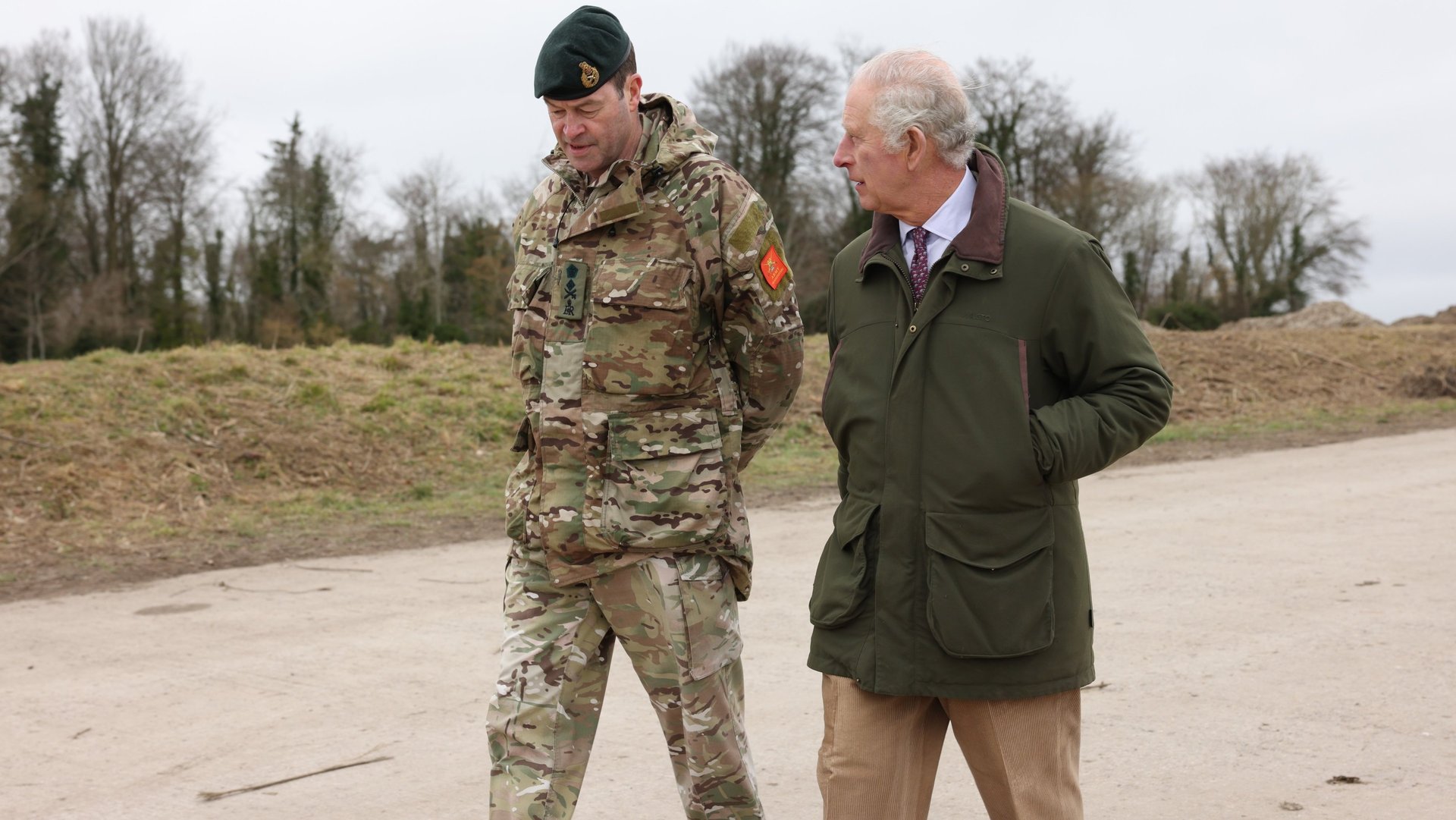

Breaking the Silence: Men’s Mental Health and the Strength to Speak Up
For generations, many men have lived by an unspoken rule: stay strong, stay silent, and push through no matter the cost. In the military, emergency services, oilfields, construction sites, and boardrooms alike, this belief has shaped how men face challenges—both in the field and at home.
But silence, while often worn like armour, can be the very thing that causes the deepest wounds.
It’s time to challenge the myth that therapy and mental health support are “only for the weak.”
Strength Isn’t Silence – Lessons from a General
Even at the highest levels of leadership, men are speaking out. General Sir Patrick Sanders, Chief of the General Staff of the British Army, has openly shared his own mental health journey—proof that toughness and resilience do not make you immune to life’s pressures.
Reflecting on his lowest moments after operations, he said:
“I was depressed, I was low, there were periods of time where I had suicidal thoughts.”
These feelings came after the violent loss of friends in combat, the relentless weight of command, and personal struggles at home. What stands out is not that he faced these challenges—it’s that he chose to speak about them.
His message to others is simple and direct:
“Take the risk, put your hand up, ask someone for help.”
This is not weakness. This is leadership. This is strength.
Why Men Struggle to Speak Up
From childhood, many men are conditioned to:
Bury emotions to avoid appearing vulnerable.
Solve problems alone rather than “burden” others.
Define worth through productivity and control.
In high-pressure careers—military, emergency management, oil and gas operations—this mindset is reinforced by a culture of self-reliance and stoicism. The result? Too many men carry silent depression, unprocessed trauma, and a growing risk of burnout or worse.
Globally, men are less likely to seek professional support for mental health concerns, even though they represent the majority of suicide deaths.
Rewriting the Narrative
Seeking help is not about “fixing” something broken—it’s about maintaining the same mental readiness you would your physical fitness. No soldier would ignore his gear before a mission; no firefighter would enter a blaze without tested equipment.
Mental health deserves the same respect.
As General Sanders reminds us:
“Mental health affects everyone’s life – no one is exempt. Please, talk to each other. Listen.”
Creating a space where men can speak openly—and be heard without judgement—is how resilience is truly built.
Starting Your Journey
If the load you’ve been carrying feels heavier by the day, know that it’s possible to set it down. You don’t have to have the perfect words. You just have to start.
Working with a therapist who understands men’s mental health can give you the tools to process what you’ve been through, manage the pressure you’re under, and strengthen the relationships that matter most. It’s not about surrender—it’s about investing in your future self.
Remember:
Therapy isn’t for the weak — it’s for those strong enough to do the hard work of healing.
Your journey doesn’t have to be taken alone.
You’re Not Alone
If you’re in crisis or need immediate support:
Canada: Talk Suicide Canada – 1-833-456-4566 or text 45645
US: 988 Suicide and Crisis Lifeline – Call or text 988